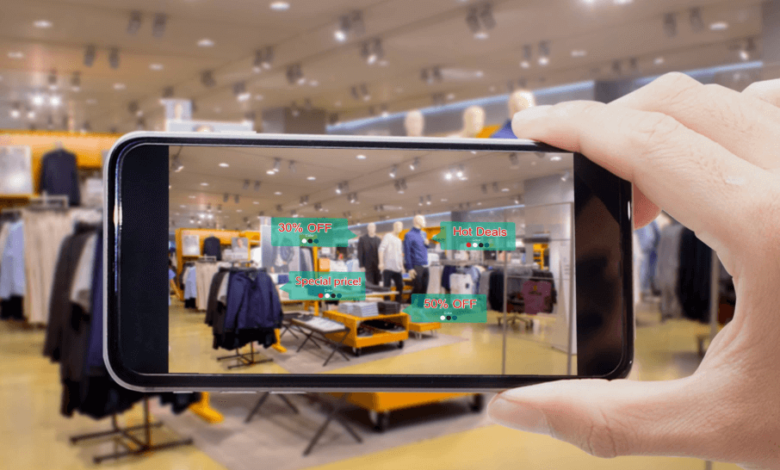
Augmented Reality (AR) is significantly altering the landscape of retail shopping. It introduces innovative features like virtual try-ons, enabling consumers to visualize products in real time. This technology also supports interactive displays, enhancing customer engagement through immersive experiences. Furthermore, personalized recommendations created through AR can tailor shopping experiences to individual preferences. As retailers embrace these advancements, the implications for customer satisfaction and sales growth warrant further exploration. What might this mean for the future of retail?
Virtual Try-Ons: The Future of Fitting Rooms
As retailers increasingly seek to enhance the shopping experience, virtual try-ons emerge as a transformative solution for fitting rooms, allowing customers to visualize how garments will look on them without the need for physical alterations.
These virtual fittings create immersive experiences that empower consumers, enabling them to explore styles freely and make informed decisions, ultimately reshaping the retail landscape and elevating customer satisfaction.
See also: How Augmented Reality Is Changing the Way We Interact With Technology
Interactive Product Displays: Enhancing Customer Engagement
Interactive product displays revolutionize the way consumers engage with merchandise, transforming passive shopping into an immersive experience.
By integrating immersive storytelling and gamified experiences, retailers captivate customers, fostering deeper connections with products.
These interactive setups not only enhance visual appeal but also encourage exploration and interaction, ultimately driving engagement and increasing the likelihood of purchase in a dynamic retail environment.
Personalized Shopping Experiences: Tailoring Offers With AR
Augmented reality (AR) enables retailers to create personalized shopping experiences by tailoring offers and recommendations to individual customer preferences.
Through data analytics, retailers can deliver personalized recommendations that resonate with shoppers, enhancing engagement.
Moreover, immersive promotions leverage AR technology to captivate customers, fostering a sense of connection.
This innovative approach not only drives sales but also empowers consumers to explore products tailored to their unique tastes.
Conclusion
In conclusion, augmented reality is fundamentally transforming retail by creating engaging, personalized shopping experiences that drive customer satisfaction and sales. For instance, a leading clothing retailer implemented AR technology, allowing customers to virtually try on outfits via their mobile app, resulting in a 30% increase in conversion rates. This innovative approach not only enhances the shopping experience but also fosters brand loyalty, illustrating the significant impact AR can have on the future landscape of retail.