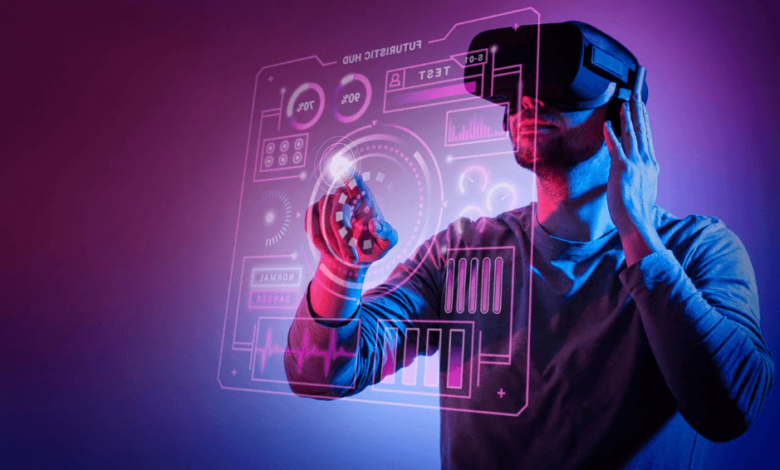
Augmented Reality (AR) is reshaping technology interaction in significant ways. By merging digital content with the physical world, AR creates immersive experiences that captivate users. This transformation extends beyond mere entertainment, influencing sectors such as education and retail. As AR technology evolves, it presents both opportunities and challenges that warrant closer examination. Understanding these dynamics will reveal how AR not only alters user engagement but also redefines the very nature of communication and collaboration.
The Impact of AR on Gaming and Entertainment
How has augmented reality (AR) transformed the landscape of gaming and entertainment?
AR has redefined virtual adventures, allowing players to engage with their surroundings in unprecedented ways. By blending digital elements with the physical world, AR fosters immersive storytelling that captivates audiences.
This innovation not only enhances gameplay but also empowers users to explore narratives in a more interactive and liberating manner, enriching their overall experience.
See also: How Artificial Intelligence Is Shaping the Future of Work
Revolutionizing Education and Training Through AR
As educational institutions and training programs increasingly adopt augmented reality (AR), the potential for enhanced learning experiences becomes evident.
AR facilitates interactive learning by allowing students to engage directly with content, transforming traditional methods.
Immersive simulations present real-world scenarios, enabling learners to practice skills in a safe environment.
This innovative approach fosters deeper understanding, empowering individuals to explore concepts freely and creatively.
Enhancing Retail Experiences With Augmented Reality
What if the shopping experience could be transformed into a more interactive and personalized journey?
Augmented reality enhances retail by enabling virtual try-ons and interactive displays. Customers can visualize products in real time, fostering engagement and informed decision-making.
This technology not only elevates the consumer experience but also empowers retailers to create unique connections, ultimately reshaping the future of commerce.
Conclusion
As augmented reality unfurls its wings, it transforms the landscape of technology interaction, inviting users to step into a vibrant tapestry of digital and physical worlds. This convergence not only enriches gaming and education but also redefines retail experiences, allowing consumers to engage with brands in novel ways. In this brave new realm, AR acts as a bridge, fostering connections and enhancing understanding, ultimately reshaping the very fabric of everyday life and communication.